
tips-polishing-brass-copper
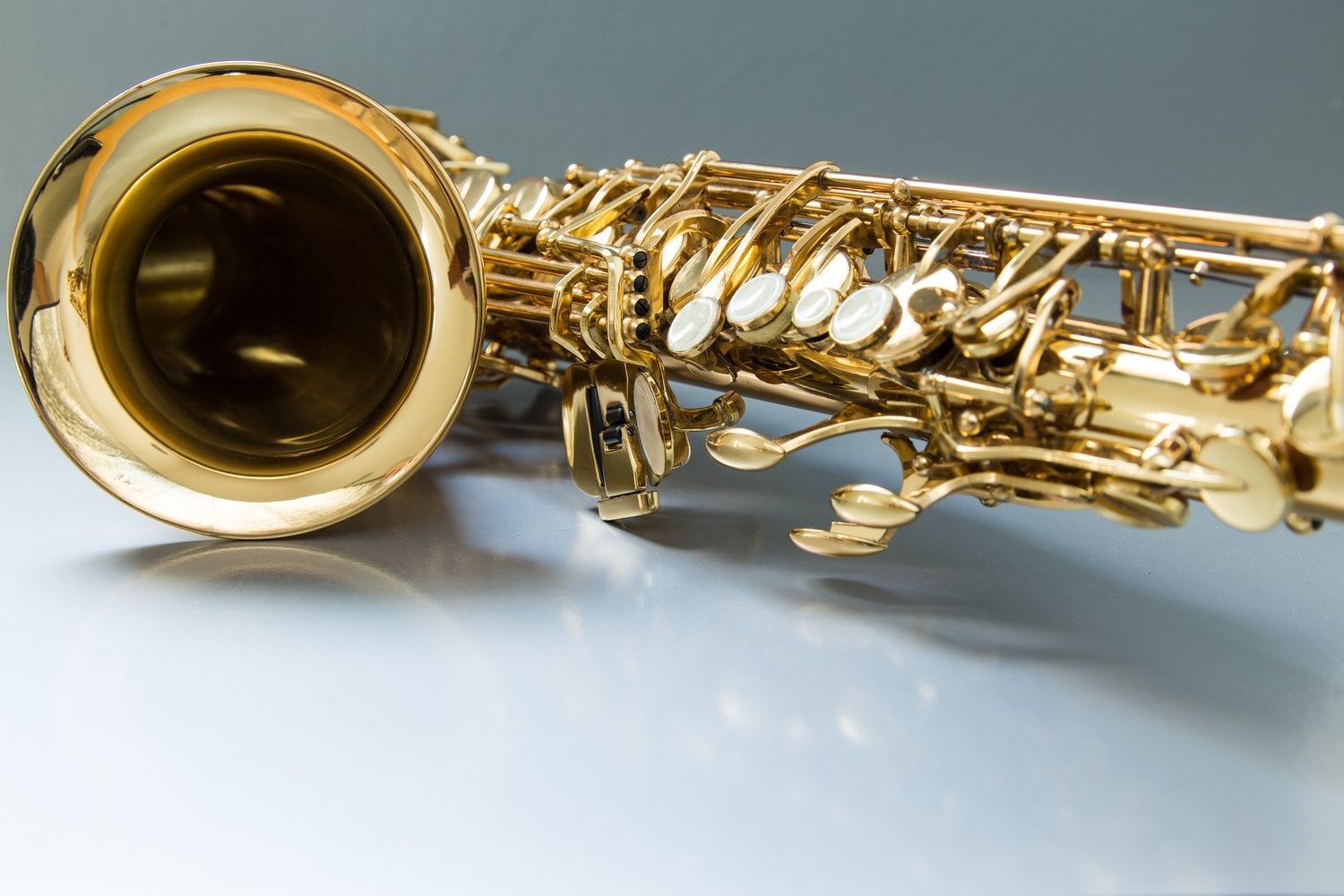
Brass is predominantly polished in the manufacture of brass wind instruments, decorative architectural and furniture fittings, bathroom fixtures, and in restoration projects. Professionally executed brass polishing gives the metal an appearance remarkably similar to gold.
Brass is an alloy composed of copper and zinc that is very easy to machine. The color of brass depends on its zinc content and varies between light yellow and reddish tones. Art, jewelry, and everyday objects made of brass are still valued today for their deep golden color and brilliant appearance.

How to achieve a deep golden shine on brass
Unfortunately, copper alloys oxidize over time, turning dull and brownish. Therefore, the cosmetic restoration of brass and copper surfaces is a major area of application for specially developed polishing tools and compounds. With the right tools and a little practice, optimizing brass surfaces is easily achieved.
To polish brass, the surface is first sanded with 240 – 320 grit. After that, it is brought to a high gloss in 2 to 3 polishing steps by gradually polishing with a sequence of buffing wheels together with optimally matched polishing compounds. For high-gloss finishing on brass, buffing wheels made from full-round loose cotton discs—so-called loose buffing wheels—used in combination with the Menzerna 480W polishing compound have proven particularly effective. The recommended cutting speed on brass is approximately 30 – 45 m/s.
Polishing sets for brass and copper
For a wide range of power tools, project goals, and surface materials, we offer a broad and configurable selection of polishing sets for non-ferrous metals, brass, or copper. Our polishing sets consist of carefully matched specialty compounds from the premium German manufacturer Menzerna as well as our high-quality EICKELIT buffing wheels. Using the practical filter feature in our online shop, you can conveniently select the suitable polishing set to restore your surfaces to a perfect shine.
Application example for polishing non-ferrous metals to a mirror finish
Preliminary remarks
- Dress the buffing wheels prior to use using a suitable dressing tool
- Apply the respective polishing compound sparingly to the rotating tool at operating speed
- Please always apply pressure carefully! Excessive contact pressure and/or speeds that are too low can lead to overheating of the workpiece, resulting in an uneven surface that cannot be improved by further polishing!
- Always maintain extreme cleanliness in your workspace. In particular, avoid contaminating buffing wheels with residue from coarser polishing compounds. Always thoroughly clean the surface of coarser compound residue before moving on to the next finer polishing step
- Valuable practical tip: store your buffing wheels immediately after each use in a sealed, labeled plastic bag
Step 1 – Pre-polishing
- First, pre-polish the surface (evenly sanded with 240 – 320 grit and cleaned) in crosswise passes using a sisal cloth pre-polishing wheel or a sisal-muslin buffing wheel SB-VR together with the Menzerna 456G heavy cut pre-polishing compound at a cutting speed of approx. 35–40 m/s until the workpiece shows a uniform, semi-matte surface free of scratches and grooves
- After pre-polishing, clean the compound residue off the surface using a dry, soft, and lint-free cloth. To degrease the workpiece, use a suitable solvent or Vienna Lime (calcium carbonate)
Step 2 – High-gloss polishing
- Next, polish the uniformly pre-polished and carefully cleaned surface in crosswise passes using a full-round high-gloss buffing wheel N2501 together with the Menzerna high-gloss polishing compound 480W (specially formulated for brass) at cutting speeds of approx. 30–35 m/s quickly to a high gloss
- After polishing, clean the surface again with a dry, soft, and lint-free cloth and degrease the workpiece if necessary using a suitable solvent or Vienna Lime
Step 3 – Super finish
- Finally, polish the clean surface (already polished to a high gloss) using a super finish buffing wheel made of full-round discs FM230 and the Menzerna P175 super finish polishing compound at a cutting speed of approx. 30–35 m/s quickly in crosswise passes until the desired mirror finish is achieved
- Because a super finish polishing compound like P175 is formulated to be very dry, it leaves only an invisible micro-film on the flawless surface. To avoid scratching the already perfectly polished surface, any further mechanical cleaning after the super finish should be avoided